By Raghav | |
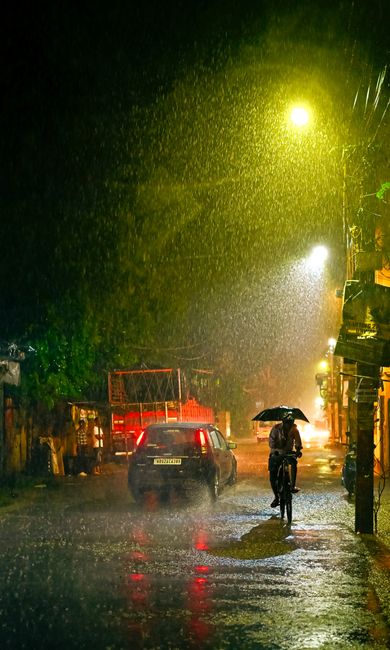
How I Perfected Night Photography in Chennai’s Monsoons
On a rainy night in July 2023, I found myself at the iconic Marina Beach, my camera gear drenched and adrenaline pumping. The sky was a canvas of swirling clouds, illuminated occasionally by flashes of lightning. At that moment, I realized that the monsoon season in Chennai is not just a challenge; it’s an opportunity for breathtaking night photography.
The Allure of Monsoon Nights
Chennai’s monsoons transform the city into a mystical wonderland. The rain enhances the city’s colors and textures, while the soft glow of streetlights reflects on the wet surfaces, creating a unique atmosphere. Over my 8+ years of experience, I’ve learned to embrace the unpredictability of this season. Here’s how I perfected my night photography during the monsoons, complete with tips and insights that could save you time and trouble.
Choosing the Right Gear
When it comes to night photography, gear matters. On that fateful night at Marina Beach, I had my Nikon D850 with a 24-70mm f/2.8 lens. This combination proved invaluable for capturing the intricate details of raindrops and the luminous cityscape. The f/2.8 aperture allowed for more light, which is crucial in low-light conditions.
Moreover, I always carry a tripod. It’s essential for stabilizing your camera during long exposures. On that night, I used a shutter speed of 4 seconds at ISO 800. The result was a stunning shot of the beach with waves crashing and raindrops sparkling like diamonds under the neon lights. This shot would later become one of my portfolio highlights.
Location Scouting: Best Spots for Night Photography
Not every location in Chennai is ideal for night photography, especially during the monsoons. Here are a couple of spots that have worked wonders for me:
1. Marina Beach
Marina Beach is a classic choice, but be mindful of your timing. I recommend heading there around 8 PM after the rain has calmed. The reflections on the wet sand are magical. Parking can be tricky, so aim for the parking lot near the beach entrance, but be prepared for some walking.
2. Theosophical Society
This serene location is perfect for nighttime photography. The lush greenery and historical architecture create a beautiful backdrop, especially when it’s raining. I once captured a stunning shot of the Adyar Banyan Tree, surrounded by mist, using a 30-second exposure at ISO 400. Just ensure you check ahead for permission, as it’s a private property.
Embracing the Elements
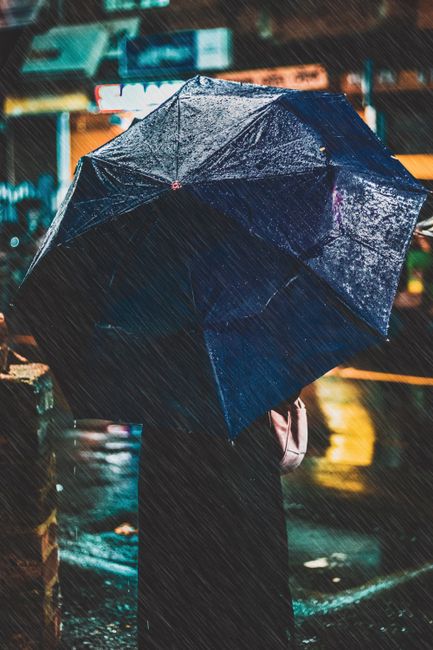
One of the critical lessons I’ve learned is to embrace the elements rather than shy away from them. The monsoon season brings unpredictable weather, and rather than waiting for the perfect conditions, I’ve adapted my approach to welcome the rain. For instance, during a shoot in August 2022, the rain started pouring unexpectedly. Instead of packing up, I changed my settings to a faster shutter speed and captured some incredible candid shots of people seeking shelter under umbrellas, creating a dynamic contrast of colors and emotions.
Experimenting with Settings
Night photography is all about experimentation. During a wedding shoot in October 2021, I decided to switch my settings to manual mode. I used a shutter speed of 1 second, an aperture of f/4, and ISO 1600. The result was a beautifully lit dance floor that captured the joy and energy of the event. I learned that sometimes, breaking from your usual settings can yield extraordinary results.
Mistakes I Made
As with any craft, mistakes are part of the learning process. One significant mistake I made occurred during a corporate event at the ITC Grand Chola in December 2020. I was too focused on capturing the ambiance and didn’t check my white balance. The indoor lights had a yellow hue, and my images turned out with an undesirable warm tone. I realized how important it is to adjust your white balance settings according to the lighting conditions. Now, I always ensure to set my camera to the specific lighting mode or manually adjust it for accurate color representation.
Post-Processing: Bringing Images to Life
Editing plays a crucial role in night photography. After shooting, I use Adobe Lightroom to enhance my images. For instance, in a recent night shot of the Kapaleeshwarar Temple, I adjusted the exposure by +0.5, increased the contrast, and slightly boosted the vibrance to make the colors pop. I also applied some noise reduction, which is essential when shooting at higher ISOs.
Here’s a before and after of that shot:


Final Tips for Night Photography in Chennai’s Monsoons
1. Waterproof Your Gear
If you’re planning to shoot during the rains, a rain cover for your camera is non-negotiable. I use a simple plastic bag to protect my gear during light showers. For heavier rains, I invest in a proper weather-sealed camera bag.
2. Patience is Key
Night photography, especially during monsoons, requires patience. The weather can change rapidly, and sometimes, the best shots come when you least expect them. I often wait for that perfect moment when the clouds part, revealing a starry sky or the moonlight breaking through.
3. Always Have Spare Batteries
Cold and wet conditions can drain your camera batteries faster than usual. I always carry a couple of spare batteries in a waterproof pouch. This ensures I don’t miss out on capturing those fleeting moments.
Conclusion
Night photography during Chennai’s monsoons can be a rewarding experience if you’re prepared and adaptable. From choosing the right gear and locations to mastering your settings and post-processing, each step contributes to capturing the essence of this magical season. Embrace the rain, experiment with your settings, and don’t forget to learn from your mistakes. With these insights, I hope you’ll feel more confident venturing out into the night.
What is the best camera for night photography?
In my experience, full-frame cameras like the Nikon D850 or Canon 5D Mark IV are excellent choices due to their larger sensors and better low-light performance. However, even a good crop sensor camera can yield great results if paired with a fast lens.
How do I avoid noise in night photography?
To minimize noise, keep your ISO as low as possible while still achieving the desired exposure. Additionally, using noise reduction tools in post-processing can help clean up your images significantly.
Can I shoot night photography without a tripod?
While it’s challenging, you can shoot without a tripod by increasing your shutter speed and using a higher ISO. However, this may lead to less sharp images. If you don’t have a tripod, look for stable surfaces to rest your camera on.
I’m Raghav, a professional photographer based in Chennai with over 8 years of experience in wedding, portrait, and travel photography. My journey through the lens has taught me to embrace the unpredictable beauty of Tamil Nadu, especially during the enchanting monsoon season.
Explore more photography tips, stories & inspiration