By Raghav | |
What I Learned from 10 Days of Monsoon Photography in Chennai
Last year, I found myself drenched in the middle of a downpour at the Besant Nagar beach, battling to shield my camera from the relentless rain. It was August 12, and I had set out to document the monsoon’s dramatic beauty over ten days. What started as a challenge ended up being an incredible learning experience, pushing my creative boundaries and deepening my understanding of how to work with unpredictable weather. Here’s a breakdown of my journey through the monsoon photography season.
Capturing the Monsoon Mood
The monsoon in Chennai is unlike any other season; it’s raw, chaotic, and beautifully unpredictable. On August 14, I ventured to Marina Beach with my Nikon D750 and 24-70mm f/2.8 lens. The clouds were dark, and the waves crashed violently against the shore. I decided to shoot in manual mode with settings at ISO 1600, aperture f/4, and shutter speed at 1/500 sec. The result was a series of moody, evocative images that truly captured the essence of a monsoon day.
Finding the Right Perspective
One key takeaway from these shoots was the importance of perspective. On August 16, I visited the Elliot’s Beach during a light drizzle. I noticed the reflections on the wet sand and decided to shoot from a low angle, using the foreground to include the water’s surface. This technique created a strong visual impact, emphasizing the stormy sky above. I used a circular polarizer to enhance the colors and reduce glare. The final images had a depth that I hadn’t achieved with traditional angles.
Utilizing Natural Light
Another lesson was the effective use of natural light during overcast conditions. On August 18, I was at the Guindy National Park just after a heavy rainfall. The clouds acted as a natural diffuser, which softened the harsh midday sun. I adjusted my camera settings to ISO 400, f/5.6, and 1/250 sec for the lush greenery and vibrant flora. The colors popped, and the lighting was perfect for showcasing the beauty of nature post-rain. I felt like I had a secret weapon at my disposal.
Embracing the Elements
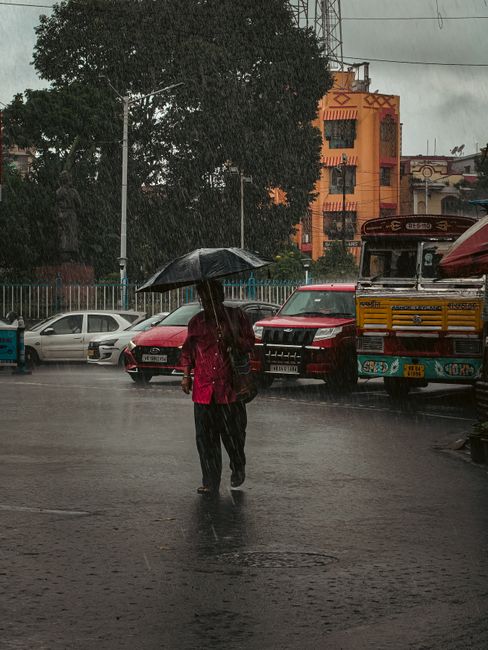
On August 20, I headed out to shoot the bustling streets of T. Nagar. I was determined to capture the vibrant life that thrives despite the rain. With my trusty umbrella in one hand and my camera in the other, I navigated through the puddles. I shot with an 85mm lens to isolate subjects among the chaos. The water droplets on shop awnings and the colorful umbrellas added layers to the frames. My settings were ISO 800, f/3.2, and 1/320 sec, and the dynamic scenes felt alive.
Getting Close to the Action
One of my favorite moments happened when I stumbled upon a group of children playing in the rain at Kotturpuram on August 22. I wanted to freeze their joy and laughter. I crouched down, adjusted the shutter speed to 1/1000 sec to freeze the action, and opened the aperture to f/2.8 to blur the background. The laughter, splashes, and sheer delight were so palpable in the final shots that they became a highlight of my portfolio.
Planning for the Unexpected
While spontaneity is essential in photography, planning plays a crucial role, especially during the monsoon. On August 25, I had intended to shoot at the historic Fort St. George. However, the rain was relentless that day, and I had to pivot my plan. Instead, I sought shelter under a nearby structure and focused on the rain-soaked details of the fort’s architecture. The resulting close-up shots of the dripping walls and muted colors turned out to be some of my best work from the trip.
Mistakes I Made
Throughout these ten days, I made my fair share of mistakes. One major blunder occurred on August 15 when I ventured out without my weather-sealed lens. The sudden downpour ruined my favorite 50mm lens, and I learned the hard way to always be prepared for the unexpected. Now, I always check my gear, ensuring I have weather-sealed options and protective gear before heading into the elements.
Another misstep was underestimating the power of rain. On August 19, while shooting at the Napier Bridge, I positioned my camera too close to the edge of a puddle. A wave of water splashed up unexpectedly, and my camera got wet. Thankfully, I had a backup camera, but it was a stark reminder to be mindful of my surroundings and the unpredictable nature of the rain.
Top Locations for Monsoon Photography in Chennai
Marina Beach
Marina Beach is a classic spot for capturing the essence of Chennai during the monsoon. The best time to shoot is during the golden hour just before sunset when the clouds reflect vibrant hues. Parking can be tricky, so I recommend arriving early to secure a spot. Be prepared for crowds, and consider using a wide-angle lens to capture the vastness of the beach and sky.
Elliot’s Beach
This beach offers a quieter alternative to Marina. The unique rock formations and the iconic lighthouse make for compelling compositions. Early mornings are best for serene shots, and you can often find fewer people. Parking is available nearby, but it can fill up quickly on weekends.
Guindy National Park
A hidden gem within the city, this national park offers lush greenery and wildlife. The rain enhances the colors of the foliage, making it a paradise for nature photographers. You can enter the park for a nominal fee, and I recommend carrying a macro lens to capture the intricate details of the flora and fauna.
Conclusion
My ten-day journey of monsoon photography in Chennai was transformative. I not only enhanced my technical skills but also learned to embrace the elements and capture the beauty of chaos. As photographers, we have the power to tell stories through our lenses, and the monsoon season offers a unique canvas to do just that. By planning wisely, being prepared for the unexpected, and experimenting with different perspectives, we can create meaningful and evocative images that resonate with viewers long after the rain has stopped.
What gear should I bring for monsoon photography?
Bring weather-sealed cameras and lenses, sturdy tripods, and protective gear like rain covers for your equipment. A circular polarizer can help manage reflections and enhance colors during cloudy days.
When is the best time to shoot during the monsoon?
The golden hour before sunset and early mornings are ideal for monsoon photography. The light is softer, and the colors are more vibrant, especially after rainfall.
How do I protect my camera from rain?
Use weather-sealed equipment whenever possible. Invest in rain covers or use plastic bags to shield your camera. Avoid changing lenses in the rain to prevent moisture from entering the camera body.
What are some creative techniques for shooting in the rain?
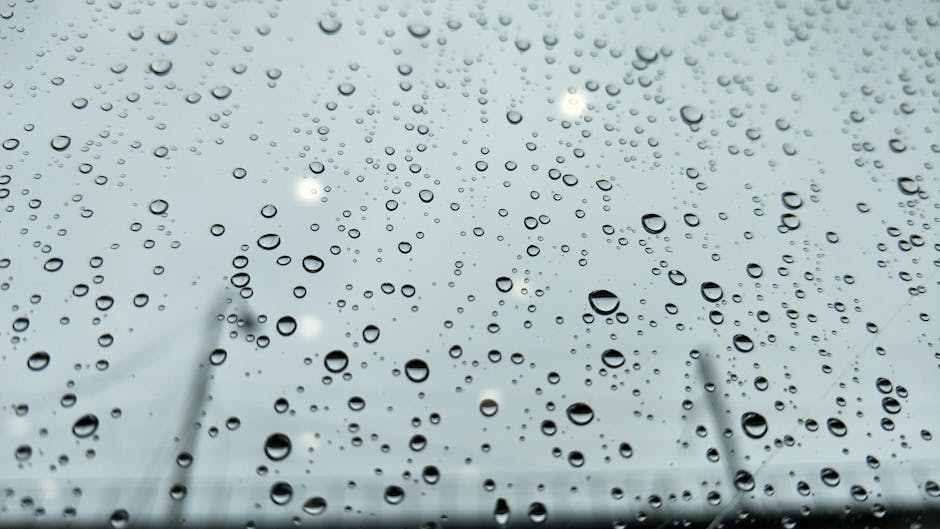
Experiment with reflections in puddles, shoot close-ups of raindrops on surfaces, and play with light and shadow created by clouds. Low angles can add drama to your shots.
About the Author
I’m Raghav, a professional photographer based in Chennai with over 8 years of experience specializing in wedding, portrait, and travel photography. My passion for capturing the essence of Tamil Nadu drives my work, and I love sharing my journey through photography.
Explore more photography tips, stories & inspiration