By Raghav | |
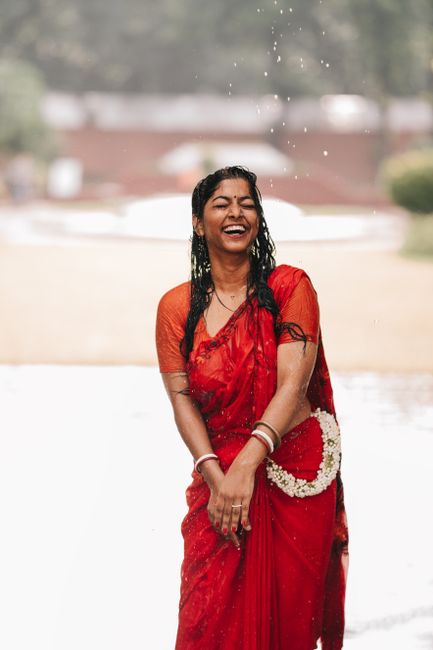
How I Shot 100 Portraits in Chennai’s August Monsoon
On August 15, 2026, I found myself huddled in a small tea shop in Mylapore, watching the rain pour down in sheets. I had a goal: to shoot 100 portraits in Chennai’s notoriously unpredictable monsoon weather. The idea seemed daunting, yet the challenge thrummed in my veins. What could I capture amid the gray clouds and relentless downpour? Just as I was contemplating the day ahead, I realized that the monsoon could be my ally rather than an enemy.
Planning the Shoot
Preparation was key. I mapped out several locations that would not only provide shelter but also interesting backdrops. The streets of Mylapore, the serene Kapaleeshwarar Temple, and the vibrant markets of T. Nagar stood out. My gear was prepped: I had my trusty Nikon D850 with a 50mm f/1.8 lens, a rain cover, and a portable LED light for those dimly lit conditions.
Choosing the Right Locations
Mylapore served as my starting point, not just for its aesthetic charm but also for its cultural richness. The locals are friendly, making it easier to approach strangers for portraits. I parked my bike near the temple, where I could catch a glimpse of everyday life unfolding.
Next, I headed to T. Nagar. Here, the vibrant colors of the market popped against the gray sky, providing a stunning contrast. I learned that the best time to shoot here was early in the morning before the crowds became overwhelming. Parking can be a hassle, so I recommend arriving before 8 AM to snag a spot.
Engaging with My Subjects
My first subject of the day was a street vendor named Rajesh. It was August 16, just a day after my initial planning session. He was selling fresh vegetables under an awning, the rain dripping around him. I approached him casually, asking if I could take his portrait. His initial hesitation melted away once I complimented his vibrant setup. I shot with a 1/200s shutter speed, f/2.8 to get a nice depth of field, and ISO 400 to compensate for the ambient light.
Once I captured Rajesh’s portrait, I showed him the image on my camera. His smile widened when he saw the result, and that moment of connection fueled my confidence for the rest of the day.
Creating a Narrative
I realized quickly that the best portraits tell a story. Later that afternoon, I met a young artist, Priya, at the beach near Marina. The rain had eased up, leaving a misty atmosphere. She was sketching in a notebook, completely engrossed in her work. I approached her, and she welcomed me with a warm smile. I shot her using f/4 to capture both her and the stunning backdrop of the sea, at a shutter speed of 1/160s with ISO 320.
What struck me was how the rain transformed the scene. The soft lighting created by the overcast sky made her features pop beautifully. I learned to embrace these unplanned moments, which often yield the most authentic portraits.
The Importance of Flexibility
Each day of the shoot, I had a plan, but I learned to adapt quickly. On August 18, my itinerary called for a visit to the historic Fort St. George. As I arrived, dark clouds gathered ominously. Instead of panicking, I decided to use the rain to my advantage. I positioned my subjects near the fort’s stone walls, creating a dramatic effect with the rain-soaked backdrop.
I ended up shooting a family of four who were visiting the fort for the first time. They were drenched but laughing, which made for a memorable photo. I adjusted my settings to 1/125s, f/2.8, and ISO 500 to accommodate the low light. The result was a portrait that conveyed joy amid the rain. This approach of embracing spontaneity has become a valuable lesson in my photography journey.
Editing and Final Touches
After shooting 100 portraits, the editing process began. I used Adobe Lightroom Classic to fine-tune each image. One of my favorites was Rajesh’s portrait. Initially, it felt flat, lacking the vibrancy I wanted. I increased the exposure slightly and adjusted the contrast to make the colors pop. By the end, the image transformed from a mundane capture to something that encapsulated the essence of Mylapore.
For anyone looking to edit portraits shot in low light, I recommend increasing the clarity and vibrance to bring out those subtle details that might get lost.
Mistakes I Made
No journey is without its hiccups. I had my fair share during this shooting spree. One significant mistake occurred on August 17 when I decided to shoot without a backup battery. I was at the bustling T. Nagar market, and as fate would have it, my battery died after just an hour of shooting. I had to scramble to find a nearby electronics store, which took valuable time away from capturing portraits.
From this experience, I learned the importance of preparation. Now, I always carry at least two fully charged batteries and a checklist for my gear before heading out. This simple step can save you from missing out on incredible moments.
Final Thoughts and Key Takeaways
Completing 100 portraits in Chennai’s monsoon was a rewarding experience, teaching me invaluable lessons about flexibility, engagement, and the power of storytelling. Each encounter was unique, and the rain often provided a creative edge that I hadn’t anticipated. If you’re planning to shoot portraits during the rainy season, remember to embrace the weather — it can be your best friend.
Whether you’re capturing street vendors, artists, or families, focus on building a connection with your subjects. Take the time to understand their stories, and you’ll find that it reflects in your work. And don’t forget to plan ahead, but be ready to adapt when things don’t go as expected.
What gear do you recommend for shooting portraits in the rain?
I recommend a weather-sealed camera body like the Nikon D850 and a versatile lens such as the 50mm f/1.8. Additionally, a rain cover for your gear is essential to protect it from water damage.
How do you approach strangers for portraits?
Engaging with strangers can be daunting, but I usually start with a compliment about their work or their style. A friendly approach helps break the ice, and showing them a few examples of my work builds trust.
What editing software do you use for portraits?
I primarily use Adobe Lightroom Classic for editing my portraits. It offers excellent tools for color correction, exposure adjustments, and clarity enhancements, perfect for making portraits pop.
What is the best time to shoot portraits in Chennai?
Early mornings are ideal for shooting portraits in Chennai, especially before 8 AM when the light is soft, and the crowds are manageable. Additionally, the fresh atmosphere after rain can provide unique opportunities for stunning portraits.
Author Bio
I’m Raghav, a professional photographer based in Chennai with over 8 years of experience in wedding, portrait, and travel photography across Tamil Nadu. I love capturing the essence of life through my lens, especially during the vibrant monsoon season.
Explore more photography tips, stories & inspiration