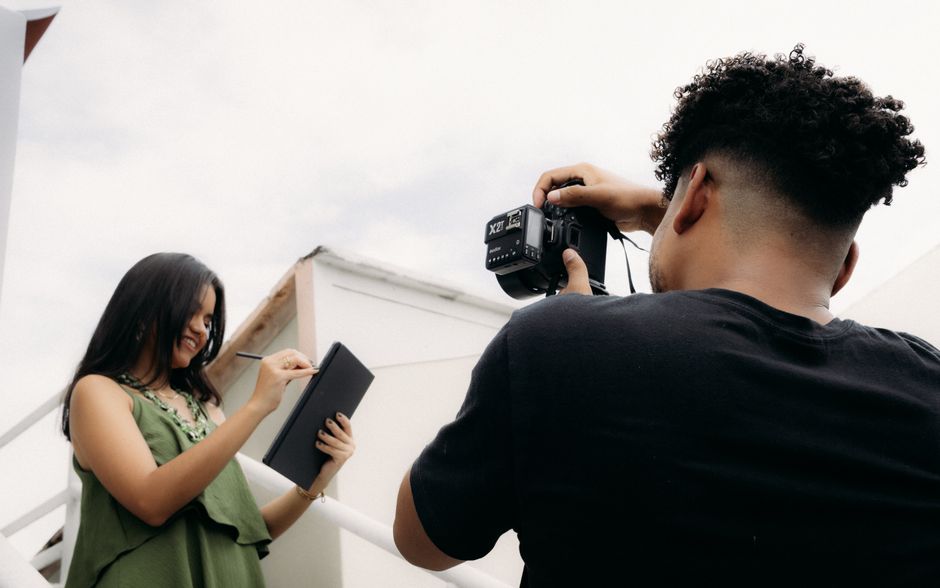
Capturing Timeless Moments: Photography Tips for Every Occasion
Photography is an art that transcends mere documentation; it tells stories, captures emotions, and immortalizes fleeting moments. Whether you’re a seasoned photographer or just starting out, knowing how to capture timeless moments can significantly enhance your photography skills. In this blog post, we’ll explore essential photography tips that apply to every occasion, helping you create stunning images that resonate with viewers.
From understanding lighting to mastering composition, these tips will equip you with the knowledge to elevate your photography game. By the end of this post, you’ll be ready to capture breathtaking images, irrespective of the occasion. Let’s dive in!
- Understand the importance of lighting in photography.
- Learn composition techniques to enhance your photos.
- Utilize different camera settings effectively.
- Explore post-processing tips to refine your images.
- Discover how to tell a story through your photographs.
The Importance of Lighting in Photography
Lighting is one of the most crucial elements in photography. It can dramatically affect the mood, tone, and quality of your images. Natural light often provides the best conditions for photography, especially during the golden hour, which occurs shortly after sunrise and before sunset. During this time, the light is soft and warm, creating a beautiful atmosphere for capturing portraits and landscapes.
On the other hand, artificial lighting can be used to create dramatic effects. For instance, using a flash can help illuminate your subject in low-light situations. However, it’s essential to understand how to manipulate light to avoid harsh shadows. A study by Digital Photo Mentor found that 75% of professional photographers credit lighting as the most critical factor in successful photography.
Using Natural Light to Your Advantage
When using natural light, pay attention to its direction and intensity. Experiment with backlighting, where the light source is behind your subject, to create a silhouette effect. Conversely, side lighting can add depth and dimension. Always keep an eye on the weather, as cloudy days can provide diffused light that minimizes harsh shadows.
Mastering Composition Techniques
Composition refers to how elements are arranged within a photograph. A well-composed image draws viewers’ attention to the subject and conveys the intended message. One popular rule of composition is the Rule of Thirds, which suggests dividing the image into a 3×3 grid and placing key elements along the lines or at their intersections.
Another technique involves leading lines—using natural lines within the scene to guide the viewer’s eye towards the subject. According to a report by Photography Talk, images that follow established composition techniques have a 30% higher engagement rate on social media platforms.
Framing Your Subject
Framing can add depth and context to your photos. Use elements like trees, windows, or archways to create a frame around your subject. This technique can help isolate the subject from its background, directing the viewer’s focus. Experiment with different angles and perspectives to find the most compelling frame for your shot.
Utilizing Camera Settings Effectively
Understanding your camera settings is vital for capturing the best moments. Key settings include aperture, shutter speed, and ISO. The aperture controls the amount of light entering the camera and affects depth of field. A lower f-stop number results in a blurred background, perfect for portraits, while a higher f-stop keeps everything in focus, ideal for landscapes.
Shutter speed determines how long the camera’s sensor is exposed to light. A fast shutter speed freezes motion, making it suitable for action shots, while a slower speed can create motion blur, adding a dynamic effect. The ISO setting adjusts the camera’s sensitivity to light. A lower ISO is best for bright conditions, while a higher ISO works well in low-light situations but may introduce noise.
Experimenting with Exposure
Experimenting with exposure can yield creative results. The exposure triangle—aperture, shutter speed, and ISO—works together to create the perfect balance of light in your images. Understanding this relationship allows you to make informed decisions based on the shooting conditions.
Post-Processing Techniques
Post-processing is the final step in creating stunning images. Software like Adobe Lightroom or Photoshop allows you to enhance your photos by adjusting exposure, contrast, and color balance. Cropping and straightening can also help improve composition. According to Statista, 90% of photographers use some form of post-processing in their work.
When editing, it’s essential to maintain a natural look. Over-editing can make images appear artificial. Instead, aim for subtle adjustments that enhance the photograph without losing its authenticity. Consider creating presets that can save time and maintain consistency across your portfolio.
Using Filters to Enhance Your Images
Filters can add unique effects to your photos, such as enhancing colors or adding texture. Experiment with different filters in post-processing software or use physical filters on your camera lens. Just remember to use them sparingly to avoid overpowering the image.
Telling a Story Through Your Photography
Every photograph has the potential to tell a story. Think about the narrative you want to convey through your images. This involves considering the subject, setting, and emotion captured in the moment. Strong storytelling can evoke feelings and lead viewers to connect with your work on a deeper level.
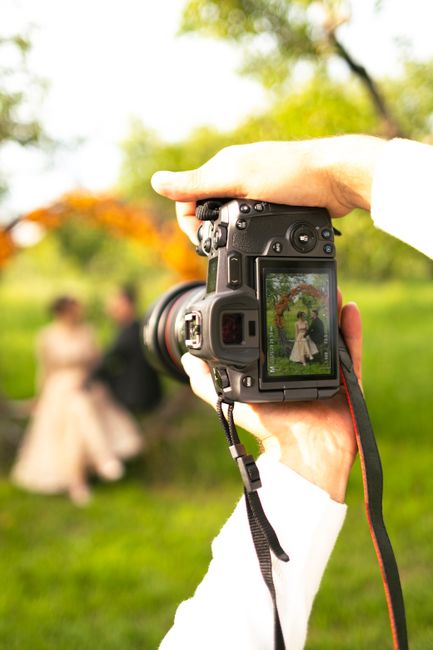
For instance, capturing candid moments at a wedding can tell a beautiful story of love and joy. Similarly, travel photography can depict the essence of a culture or a place through the lens of local life. Remember, your perspective is unique, and it can transform ordinary moments into extraordinary narratives.
Creating a Thematic Collection
Consider creating a themed collection of photographs that tell a cohesive story. Whether it’s a series on nature, urban life, or family gatherings, grouping images can enhance the narrative. This approach can also be beneficial for exhibitions or personal projects.
Frequently Asked Questions
What is the best time of day for photography?
The golden hour, shortly after sunrise and before sunset, is often considered the best time for photography due to the soft, warm light.
How can I improve my photography skills quickly?
Practice regularly, learn from others, and study photography techniques to improve your skills effectively.
Do I need expensive equipment to take good photos?
No, while high-quality equipment can help, great photos can be taken with any camera by mastering techniques and understanding light.
What are some common composition mistakes to avoid?
Avoid centering your subject, excessive empty space, and ignoring the background, as these can negatively impact your photos.
How important is post-processing in photography?
Post-processing is essential as it allows you to enhance images, correct exposure, and refine colors, making your photographs more appealing.
In conclusion, capturing timeless moments through photography requires a blend of technical skills and artistic vision. By mastering lighting, composition, camera settings, and post-processing, you can create stunning images that tell compelling stories. Remember, practice is key to improvement. So, grab your camera and start capturing those special moments today!
Key Takeaways
- Understand the importance of lighting in photography.
- Learn composition techniques to enhance your photos.
- Utilize different camera settings effectively.
- Explore post-processing tips to refine your images.
- Discover how to tell a story through your photographs.
For more photography tips and inspiration, visit Memories and More.
Explore more photography tips, stories & inspiration