By Raghav | |
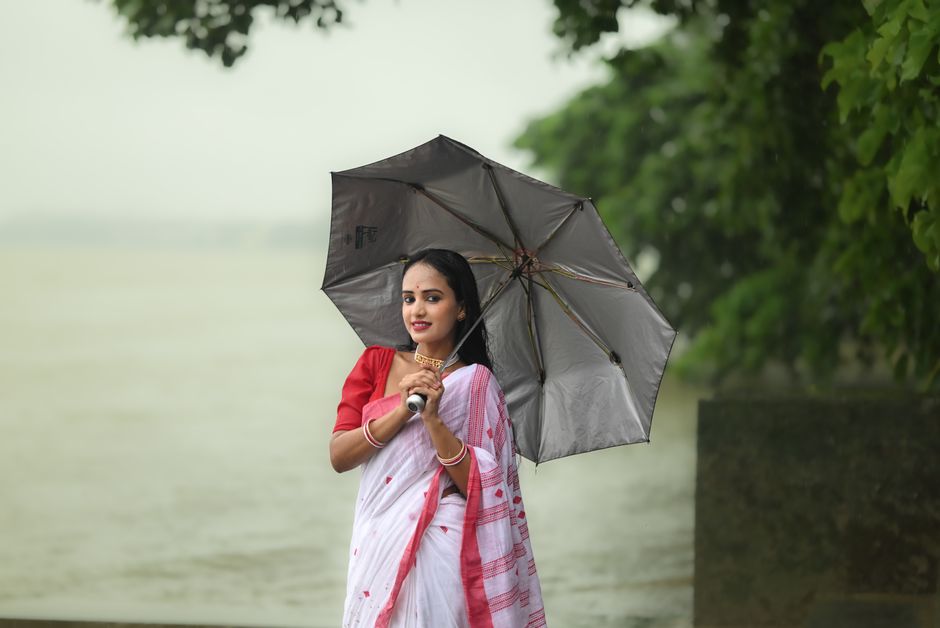
How I Embraced Monsoon Photography with 5 Essential Techniques
Last July, while the monsoon rains poured down relentlessly over Chennai, I found myself standing knee-deep in water at Kapaleeshwarar Temple, my trusty Canon 5D Mark IV in hand. The clouds were a deep charcoal gray, and the air was thick with humidity. I was on the verge of packing up my gear and heading home, but something inside urged me to stay. That day transformed my perception of monsoon photography, leading me to discover techniques that have since become essential in my toolkit. Here are five techniques that not only saved my gear but also helped me create stunning images in challenging conditions.
Technique 1: Embrace the Elements
One of the first things I learned during my monsoon shoots is to embrace the rain rather than fear it. On a shoot for a couple named Priya and Arjun on July 15, 2022, I set out to capture their pre-wedding moments at Marina Beach. The sky was overcast, and light rain began to fall as we started shooting. Instead of retreating, I noticed how the droplets created a magical effect on the sand. I adjusted my settings to ISO 800, f/2.8, 1/250s to achieve a shallow depth of field while letting the rain sprinkle the foreground in the frame.
As I shot, the couple danced in the rain, their laughter echoing against the backdrop of crashing waves. The images turned out beautifully, with the raindrops adding an ethereal quality to the photos. This experience taught me that rain can be an ally if you know how to use it. The key is to be prepared with weather-sealed gear or protective covers for your camera. I always carry a rain cover for my Canon 5D, which has saved me on multiple occasions.
Technique 2: Master the Art of Reflections
Reflections can create a dramatic narrative in your images. After a rain shower, puddles form, providing a perfect opportunity for creative shots. I remember a particularly memorable session on August 3, 2022, at Theosophical Society in Adyar. While I was waiting for my clients, I noticed the reflections of the lush greenery on the wet ground. I decided to experiment with angles and found a low perspective that emphasized the mirrored effect.
Using my Canon 24-70mm f/2.8 lens at 24mm, f/4, and 1/500s, I captured stunning images that highlighted both the subject and the beautiful surroundings. The reflections added an extra layer of depth to the photographs, making them visually striking. In Chennai, locations like the Government Museum and the Marina Beach promenade also offer great potential for reflections, particularly after a downpour when the pavement glistens.
Technique 3: Utilize Natural Diffusers
Soft light is a photographer’s dream, and monsoon clouds provide just that. On September 10, 2023, I was shooting a family portrait session in Mylapore when the skies opened up. Rather than cancel, I adjusted my approach. I set up under a large banyan tree, which acted as a natural diffuser, softening the light that fell on my subjects.
With my settings at ISO 400, f/4, and 1/200s, I was able to capture the family’s genuine expressions against the beautifully diffused light. The resulting images were soft yet vibrant, with no harsh shadows. When shooting in similar conditions, look for large structures or trees that can create soft lighting conditions. In Chennai, other great spots include the lush gardens of the Guindy National Park.
Technique 4: Capture the Mood with Motion
Monsoon is all about drama—the rolling clouds, the falling rain, and the vibrant greenery. I learned to capture this mood through motion. On a shoot for a corporate event at a hotel in T Nagar on June 25, 2022, I decided to incorporate movement for a series of dynamic shots. As people rushed in and out of the venue, I used a slower shutter speed to create a blurred effect, conveying a sense of urgency and excitement.
Setting my camera to ISO 200, f/5.6, and 1/60s, I was able to capture the motion while still retaining enough detail in the subjects. The images conveyed the electric atmosphere of the monsoon season, filled with energy and life. When you’re out shooting, don’t hesitate to experiment with slower shutter speeds to tell a story of movement amid the stillness of the rain.
Technique 5: Post-Processing for the Win
Even the best shots can benefit from some post-processing. After a long day of shooting in the rain, I often find myself heading back to my computer to enhance the images. I use Adobe Lightroom CC for my edits, which allows me to adjust exposure, contrast, and colors effectively. For instance, after a shoot in Vandalur Zoo on July 30, 2023, I had a series of family portraits that needed some tweaks. I increased the contrast slightly and brought out the vibrancy of the greens in the background.
My before-and-after comparison showed a significant difference. The original had a washed-out look due to the overcast skies, but the edited version revealed the deep greens and rich colors that make Chennai’s landscapes unique. I generally work with the following settings: +20 clarity, +15 vibrance, and an exposure adjustment of +0.5. This combination can elevate your images from ordinary to extraordinary, especially during the monsoon.
Mistakes I Made
Throughout my journey into monsoon photography, I’ve made my fair share of mistakes. One notable incident happened during a wedding shoot on July 5, 2021, in Kodaikanal. I underestimated the weather and didn’t bring sufficient waterproof gear for my camera. When the rains hit, I was left scrambling to find cover, and in the chaos, I missed several crucial moments of the ceremony.
This experience taught me the importance of preparation. Now, I always check weather forecasts before heading out and pack extra protective gear for both myself and my equipment. Whether it’s a rain cover or waterproof bags for lenses, being prepared can save you from missing those once-in-a-lifetime shots.
Location Tips for Chennai Photographers
Chennai offers a treasure trove of locations for monsoon photography. Here are a couple of my favorites, along with insider tips:
Kapaleeshwarar Temple
This iconic temple not only provides stunning architecture but also beautiful backdrops for portraits. I recommend visiting early in the morning to avoid crowds and secure parking nearby. The temple’s vibrant colors become even more striking against a moody sky, and the rain can bring out the rich textures of the stone carvings.
Theosophical Society, Adyar
A lush, tranquil oasis in the heart of Chennai, the Theosophical Society is perfect for capturing nature and family portraits. The sprawling grounds make for excellent compositions, particularly after rain when everything is lush and green. Be sure to get permission for photography, especially if you plan to shoot on weekends when the area tends to be busier.
Final Thoughts
Monsoon photography is about more than just getting wet and muddy; it’s about embracing the unique beauty that the rains bring to Chennai. Whether it’s the reflections in puddles, the soft light filtering through clouds, or the vibrant colors of nature, the monsoon offers endless opportunities for creativity. With the right techniques and a little preparation, you can create captivating images that tell the story of this magical season.
What camera settings should I use for monsoon photography?
For monsoon photography, I recommend starting with a higher ISO (around 400-800) to compensate for lower light conditions. A wider aperture (f/2.8 to f/4) will help create a shallow depth of field, while a shutter speed of 1/250s or faster will freeze motion, especially when capturing raindrops.
How do I protect my camera gear from rain?
Invest in a good rain cover for your camera and lenses. It’s also wise to carry silica gel packets in your camera bag to absorb excess moisture. If possible, use weather-sealed lenses and bodies to minimize risk during shoots.
What locations in Chennai are best for monsoon photography?
Some of the best locations for monsoon photography in Chennai include Kapaleeshwarar Temple and Theosophical Society. Both spots offer stunning backdrops and unique perspectives, especially after rain when the scenery becomes particularly vivid.
Can I shoot portraits in the rain?
Absolutely! Rain adds a unique element to portraits, creating a romantic and moody atmosphere. Just be sure to protect your gear and consider using a fast shutter speed to capture your subjects without motion blur.
I’m Raghav, a professional photographer based in Chennai with over 8 years of experience specializing in wedding, portrait, and travel photography across Tamil Nadu. I love capturing the diverse beauty of my surroundings and sharing insights to help others improve their craft.

Explore more photography tips, stories & inspiration