By Raghav | | May 2, 2026

What I Learned After 50 Street Portraits in Chennai
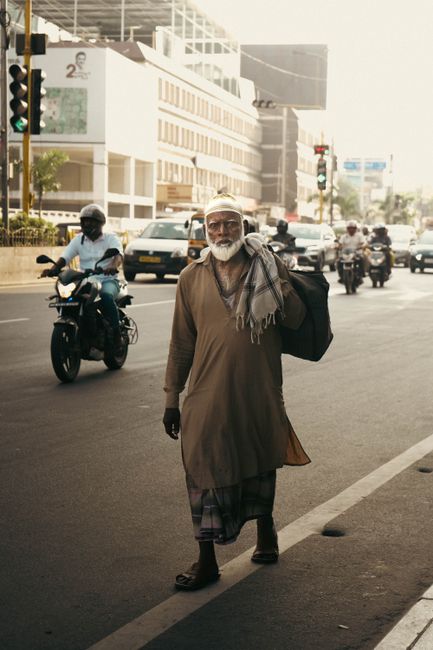
Last month, I found myself wandering through the vibrant lanes of Mylapore, my camera in hand and a determination to capture the essence of Chennai’s street life. The air was thick with the aroma of fresh filter coffee and the sound of temple bells resonated in the background. I was on a mission: to photograph 50 street portraits that would tell the stories of the people who inhabit this city I love. What I didn’t realize was how much this journey would teach me about photography, connection, and the hustle of life in Chennai.
Finding the Right Light
One of the first things I learned was the critical role of light in street photography. The golden hour features prominently in the discussions we have about outdoor photography, but I found that the harsh midday sun can create stunning opportunities if you know how to work with it. I learned this the hard way at a bustling market near Kotturpuram. Initially, I arrived around noon, and my subjects looked like shadows against the bright backdrop, with washed-out details. After a few unsuccessful shots, I decided to shift my approach.
Instead of waiting for the golden hour, I began to look for shaded areas where the light was diffused. This simple adjustment made a world of difference. I remember approaching a vendor selling jasmine flowers, who was sitting under a large banyan tree. The dappled sunlight filtered through the leaves, creating a beautiful pattern across her face. That portrait became one of my favorites from the series. Experimenting with light not only improved my shots but also taught me to adapt to my environment—an essential skill for any street photographer.
Capturing Emotion
Another lesson I learned was the importance of connecting with my subjects. Street photography can sometimes feel invasive, especially when capturing candid moments. However, I discovered that a simple smile or a polite introduction could break the ice. When I shot at the vibrant street stalls of T Nagar, I approached a group of young boys playing cricket in the street. Instead of just snapping a photo, I engaged them in conversation about their game.
As they spoke, I could see their faces light up, and I was able to capture genuine emotions that truly represented their spirit. Their laughter and excitement translated beautifully into the images, portraying not just their joy but also the camaraderie of youth in Chennai. This experience reinforced the idea that photography is about more than just the image; it’s about capturing a moment that resonates with the viewer.
Choosing the Right Gear
Gear choices are often hotly debated in the photography community. After my 50 portraits, I can confidently say that while the camera matters, it’s the photographer behind it who makes the magic happen. I started with my usual DSLR setup, but as I ventured deeper into the streets, I switched to a mirrorless camera for its lightweight design and discreetness. This change allowed me to move quickly and blend into the surroundings, making it easier to capture spontaneous moments without drawing too much attention.
For instance, while walking along the bustling streets of George Town, I spotted an elderly man selling handmade pottery. With my mirrorless camera, I could approach him without the bulk of my usual gear. The result was an intimate portrait that caught the intricate details of his weathered hands and the vibrant colors of his pots. The lesson here is that sometimes the best camera is the one that allows you to be present in the moment, capturing life as it unfolds.
Post-Processing Insights
Once the portraits were taken, the next phase involved post-processing. I’ve always believed that editing is as crucial as shooting. However, during this project, I experimented with various editing styles to find what best suited the mood of each portrait. For the images from Mylapore, I leaned towards a warm color palette to evoke the feeling of the vibrant, bustling streets. For the portraits taken during the evening hours, I opted for deeper contrasts that highlighted the rich textures of the surroundings.
In my editing workflow, I made it a point to maintain the authenticity of each portrait. I focused on subtle adjustments rather than heavy filters. The goal was to enhance the image without losing the raw emotion captured in that moment. This approach helped me create a cohesive series while still respecting the individuality of each subject. I covered this in more detail in my guide to editing street photography.
Common Mistakes to Avoid
Through this journey, I also identified some common mistakes that many street photographers make. Here are a few crucial points to keep in mind:
1. Overthinking the Shot
One of the most significant pitfalls is overthinking. I found myself hesitating to click the shutter, worried about composition or lighting. The reality is that not every shot needs to be technically perfect. There were moments where I snapped photos quickly, trusting my instincts, and those often turned out to be the most genuine captures.
2. Ignoring Backgrounds
Another mistake is neglecting the background. A busy or distracting background can detract from your subject. During my session at the Marina Beach stretch near the broken wall past the lighthouse, I initially overlooked the chaotic scene behind a group of fishermen. After some adjustments, I repositioned myself to frame them against the calm sea, creating a more compelling narrative.
What I Would Do Differently
If I could redo this project, I would spend more time on each subject. While I aimed for 50 portraits, I realized that taking fewer shots but spending more quality time with each individual would yield richer stories. Building trust can lead to deeper connections, and those portraits would reflect that bond. I would also explore more diverse neighborhoods around Chennai, as each area has its unique stories waiting to be captured.
Actionable Tip for Aspiring Street Photographers
If you’re looking to improve your street portraiture, here’s an actionable tip: Engage with your subjects before capturing their portraits. Approach them with a genuine smile and ask if you can take their photo. Share a bit about yourself and why you want to capture their essence. This simple act can break down barriers and result in portraits that convey authentic emotions.
Frequently Asked Questions
1. What camera should I use for street photography?
While there’s no one-size-fits-all answer, I recommend starting with a mirrorless camera or a lightweight DSLR. The key is to choose a camera that feels comfortable and allows you to move quickly.
2. How do I approach strangers for portraits?
Engage them with a friendly demeanor. Start by introducing yourself and explaining your intent. A genuine approach can help establish trust and comfort.
3. How important is editing in street photography?
Edit your photos to enhance their storytelling potential. Focus on maintaining the authenticity of the moment while making subtle adjustments to colors and contrasts.
By Raghav | Photography | 2026-05-02
I’m Raghav, a professional photographer based in Chennai, specializing in wedding, portrait, travel, and lifestyle photography. With over a decade of experience, I strive to capture the essence of life through my lens, whether it’s the joy of a wedding or the candid moments of daily life in Tamil Nadu.
Explore more photography tips, stories & inspiration