By Raghav | |
How I Embraced Monsoon Lighting in Chennai’s July Rain
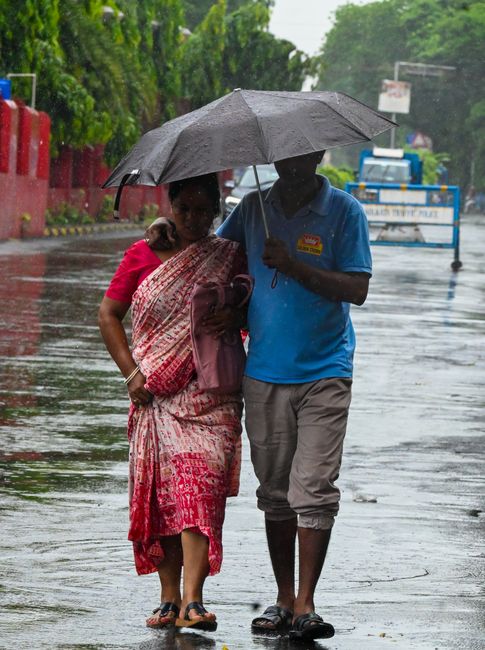
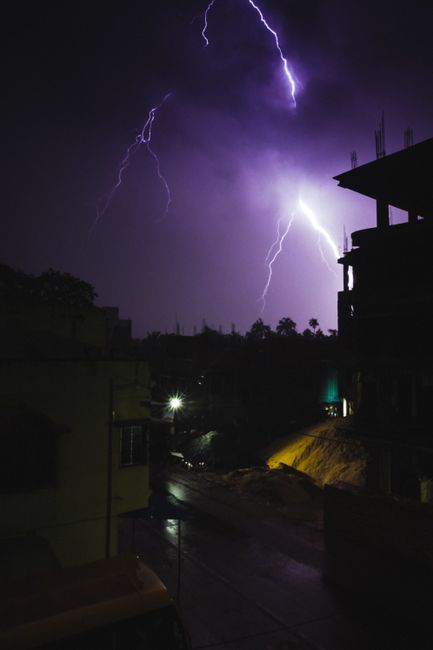
On July 12, 2026, I found myself standing at the edge of the Adyar River, my camera gear strapped tightly against my body as the rain poured down in relentless sheets. The sky was a tumultuous mix of dark clouds and blinding flashes of lightning, creating an electrifying atmosphere that I knew could yield some incredible shots. As a Chennai-based photographer with over eight years of experience, I’ve learned to see beauty in the most chaotic situations—especially during the monsoon season. Today, I want to share how I embraced the unique lighting conditions that July rains in Chennai offer, transforming challenging weather into stunning visuals.
1. Understanding Monsoon Lighting
When the monsoon hits Chennai, the city undergoes a drastic transformation. The usual bright, harsh sunlight is replaced with soft, diffused light that is perfect for portrait photography. On a recent shoot for my client Priya’s wedding in T Nagar on July 5, I was initially worried about the overcast skies. However, I quickly realized that the clouds acted as a natural softbox, creating an even light that was highly flattering for portraits.
For instance, while capturing Priya’s candid moments during her haldi ceremony, I set my camera to ISO 800, aperture at f/2.8, and shutter speed at 1/250. The results were stunning—Priya’s joy radiated against the backdrop of the soft gray sky, creating an intimate atmosphere that perfectly matched the mood of the event.
2. Location Choices for Monsoon Photography
2.1 The Adyar River
One of my go-to spots during the monsoon is the Adyar River. Not only does it provide a picturesque setting, but the reflections in the water create an ethereal quality in the images. On July 12, I took my camera to the riverbank, armed with my Nikon D850 and a 24-70mm f/2.8 lens. The rain-soaked environment created a rich color palette that I couldn’t resist capturing.
Insider Tip: The best time to shoot here is during the early morning after a rainfall. The fog that often blankets the river adds a mystical touch to your photos. However, be careful with parking as space can be limited—try to arrive by 6:30 AM to secure a good spot.
2.2 Marina Beach
Another location I often recommend is Marina Beach, where the monsoon waves crash dramatically against the shore. During my shoot on July 10 with a couple who wanted a pre-wedding session, the heavy clouds added a moody, romantic feel to the photos. I utilized a tripod to stabilize my shots during long exposures, which allowed me to capture the movement of the waves beautifully.
Insider Tip: If you’re planning to shoot at Marina Beach, I suggest going during the late afternoon when the rain tends to ease up. The golden hour light filtering through the clouds can create breathtaking images. Just be prepared for the occasional downpour!
3. Gear Considerations for the Rain
When shooting in the rain, protecting your gear is paramount. I learned this the hard way during a wedding shoot in Kotturpuram on July 15, 2025, when I forgot to bring a rain cover for my equipment. I ended up using a plastic bag to shield my camera, which worked but wasn’t ideal for movement. Now, I make it a point to carry a dedicated rain cover for my camera and lenses on every monsoon shoot.
For rainy conditions, I recommend using weather-sealed gear if possible. My Nikon D850 is weather-sealed, which gives me peace of mind when I’m out in the elements. Additionally, I always keep microfiber cloths handy to wipe off any raindrops that may land on the lens.
4. Mistakes I Made
Over the years, I’ve made my share of mistakes, particularly when it comes to shooting in challenging conditions. One major lesson I learned was during a shoot in Mylapore on July 18, 2024. I had set my camera to a high shutter speed thinking it would help avoid motion blur from the rain. However, I ended up losing the soft, dreamy effect that rain can create in photographs.
Now, I always experiment with different shutter speeds when shooting in the rain. I’ve found that a slower shutter speed (around 1/60 to 1/125) can yield beautiful results, especially when trying to capture the gentle movement of droplets. This trial-and-error approach has significantly improved my rainy day photography.
5. Editing Techniques for Monsoon Photos
Post-processing is just as essential as the shooting phase, especially when it comes to enhancing the moody atmosphere typical of monsoon photography. For the images I captured during Priya’s haldi ceremony, I imported them into Adobe Lightroom. I typically start by adjusting the exposure and contrast to bring out the details hidden in the shadows. For example, I set the exposure to +0.5 and increased the contrast by +10 to really make the colors pop.
Next, I play with the temperature slider to warm up the image, giving it a cozy feel. For the final touch, I often apply a subtle vignette to draw the viewer’s eye towards the subject.
6. FAQs
What camera settings do you recommend for shooting in the rain?
I recommend using a faster shutter speed (around 1/125 to 1/250) to freeze motion, and an aperture of f/2.8 to f/4 to achieve a nice depth of field. Don’t forget to adjust your ISO based on the light conditions—start at ISO 400 and adjust as necessary.
How can I protect my camera gear during monsoon shoots?
Invest in a rain cover for your camera and lenses. If you don’t have one, a plastic bag can be a temporary solution. Always bring microfiber cloths to wipe off any moisture that may accumulate on your gear.
What are the best locations in Chennai for monsoon photography?
Some of my favorite locations include the Adyar River for its reflections and Marina Beach for dramatic seascapes. Both places offer unique lighting and compositions during the monsoon season.
What editing software do you use for your monsoon photos?
I primarily use Adobe Lightroom for editing. It offers great tools for adjusting exposure, contrast, and color balance, which are especially useful in enhancing the moody atmosphere of monsoon photos.
Embracing the monsoon season in Chennai has been rewarding in ways I never expected. Each downpour brings with it a unique opportunity to create compelling images that tell a story. By understanding the nuances of lighting, choosing the right locations, and adequately preparing my gear, I’ve learned to turn rainy days into artistic adventures. Whether you’re a seasoned professional or an enthusiastic beginner, I encourage you to pick up your camera and explore the beauty that the monsoon season has to offer.
As a photographer based in Chennai, I specialize in capturing weddings, portraits, and travel moments. With over eight years of experience, I have learned to adapt and embrace every situation that comes my way.
Explore more photography tips, stories & inspiration