By Raghav | |
How I Mastered Night Photography in Chennai’s Monsoon
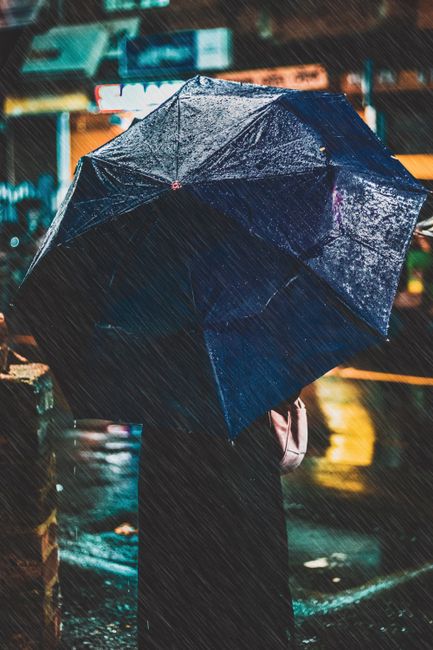
On a muggy evening in July 2022, I found myself at the edge of Elliot’s Beach, armed with a Nikon Z6 and an array of lenses. The skies were thick with clouds, and the distant rumble of thunder hinted at an impending downpour. It was one of those moments that could either lead to breathtaking shots or a soggy disaster. Instead of retreating, I embraced the challenge of night photography during the monsoon season in Chennai. Little did I know that this experience would teach me invaluable lessons about shooting in low-light conditions amidst the rain-soaked landscapes of my city.
Understanding the Unique Challenges of Night Photography
Night photography, especially during the monsoon, presents unique challenges. First, there’s the issue of light. While you might think city lights would illuminate your subject beautifully, the wet ground can create reflective surfaces that alter light in unexpected ways. During an engagement shoot for my friends Kavya and Raj in August 2021 at the Marina Beach promenade, I learned this the hard way. I aimed to capture their silhouettes against the city skyline, but the reflection of streetlights off the wet sand distorted their outlines.
Choosing the Right Gear for Low Light
When photographing at night, having the right gear is crucial. My go-to setup includes:
- Camera: Nikon Z6
- Lenses: 24-70mm f/2.8 and 50mm f/1.8
- Tripod: Manfrotto Befree Advanced
- Remote Shutter Release: Essential for long exposures
These tools allow for flexibility and stability, especially when dealing with longer exposure times. During that engagement session, I switched to the 50mm f/1.8 lens to capture stunning portraits of Kavya and Raj against the backdrop of the twinkling city lights.
Mastering Exposure Settings
Understanding your exposure settings is key. I typically start with a low ISO setting (around 100-400), a wide aperture (f/1.8 to f/4), and a longer shutter speed (1-4 seconds). However, during my shoot at the Marina Beach, I mistakenly shot at ISO 1600, which introduced unnecessary noise into my images. After realizing my error, I adjusted to ISO 400 and brightened the images in post-processing using Adobe Lightroom, which significantly improved the quality.
Capturing the Essence of Chennai’s Monsoon Nights
One of my favorite locations for night photography in Chennai is the iconic Napier Bridge. On a rainy night in September 2022, I set out to photograph this historic structure. The rain-soaked streets created a reflective canvas, and I positioned myself on the bridge to capture the vibrant lights reflecting off the water. The key was to wait for vehicles to pass, creating streaks of light against the dark backdrop. Using a shutter speed of 10 seconds, I was able to create a stunning long-exposure shot that truly captured the essence of Chennai’s monsoon nights.
Timing is Everything
Timing your shoot is essential, especially during the monsoon. The best time to photograph is just after the rain stops. The clouds often disperse to reveal a deep blue sky, while the city lights reflect beautifully off wet surfaces. During one such outing in October 2021 at the Thousand Lights Mosque, I arrived just as the rain had ceased. The architecture, lit by the warm glow of street lamps, was breathtaking. I used a 24-70mm lens with an aperture of f/2.8 and a shutter speed of 5 seconds to capture the intricate details without losing quality.
Mistakes I Made and Lessons Learned
Throughout my journey, I’ve made several mistakes that have taught me valuable lessons:
1. Ignoring the Weather Forecast
In November 2020, I ventured out without checking the weather. What started as a clear night quickly turned into a torrential downpour. I lost an entire shoot and damaged my camera gear. Now, I always check the forecast and have a backup plan in case of unexpected weather changes.
2. Not Using a Tripod
During a night shoot at Fort St. George in December 2021, I attempted handheld shots without a tripod. The results were shaky and unusable. Since then, I never leave home without my tripod, especially for long exposure shots.
3. Overlooking Post-Processing
I used to think that capturing the shot was the end of the process. However, post-processing is crucial, especially for night photography. In January 2023, after photographing the lights of Marina Beach, I neglected to edit the photos. When I revisited them months later, I realized how much better they could have looked with some fine-tuning in Photoshop. Now, I prioritize editing as part of my workflow.
Location Guide: Best Spots for Night Photography in Chennai
For those looking to explore Chennai at night, here are some of my favorite spots with specific tips:
1. Marina Beach
Best Time: Just after sunset or during the blue hour. Parking can be tricky, so it’s best to arrive early or take public transport. Be prepared for crowds, especially on weekends, and consider using a wide-angle lens to capture the expansive beach.
2. Napier Bridge
Best Time: Late evening when the traffic is low. Parking is available nearby but can fill up quickly. Position yourself on the bridge for the best angles of the city lights reflecting in the water.
3. Theosophical Society
Best Time: After a rain shower. This tranquil location is ideal for capturing the lush greenery under moonlight. Be aware that permission is required for photography, so plan ahead.
Editing Night Shots for Maximum Impact
Editing is a crucial step in night photography. I predominantly use Adobe Lightroom and Photoshop for my post-processing. Here’s a quick rundown of my workflow:
1. Basic Corrections
Start with exposure adjustments. If I shot at a low ISO, I might need to brighten the image slightly. For instance, in a photo taken at Napier Bridge, I boosted the exposure by +0.5 to bring out the details in the shadows.
2. Noise Reduction
Night shots often have noise, especially at higher ISOs. I use the noise reduction feature in Lightroom to eliminate unwanted graininess. For example, during my engagement shoot, I applied a noise reduction of around 30% to keep the images sharp.
3. Enhancing Colors and Contrast
Finally, I tweak the colors and contrast to make the images pop. Adjusting the highlights and shadows can dramatically change the mood. In a recent shot of the Thousand Lights Mosque, I enhanced the contrast by +25 to emphasize the architectural details against the night sky.
Final Thoughts
Mastering night photography during Chennai’s monsoon season has been a journey filled with trials and triumphs. Every rainy night has taught me something new, whether it’s about the importance of gear, exposure settings, or post-processing techniques. Remember, the key to capturing breathtaking night scenes lies not just in your camera settings but in your willingness to embrace the unpredictable nature of the weather.
What is the best time to photograph at night in Chennai?
The best time for night photography in Chennai is just after sunset or during the blue hour. This period offers great lighting conditions and stunning reflections, especially after rainfall.
Do I need special equipment for night photography?
While a good camera is essential, a tripod is crucial for stability during long exposures. Lenses with wide apertures (f/1.8 or f/2.8) are also beneficial in low-light conditions.
How can I reduce noise in my night photos?
To reduce noise, keep your ISO as low as possible and use noise reduction tools in post-processing software like Lightroom or Photoshop.
What editing software do you recommend for night photography?
I recommend using Adobe Lightroom and Photoshop. They offer powerful tools for exposure adjustments, noise reduction, and color enhancement, which are crucial for night photography.
As a professional photographer based in Chennai with over 8 years of experience in wedding, portrait, and travel photography, I am passionate about capturing the unique beauty of our city. My journey in photography has been a blend of challenges and joyful moments, and I hope to share these insights with fellow enthusiasts.
Explore more photography tips, stories & inspiration