By Raghav | |
My 6-Hour Adventure in Chennai’s Monsoon Markets
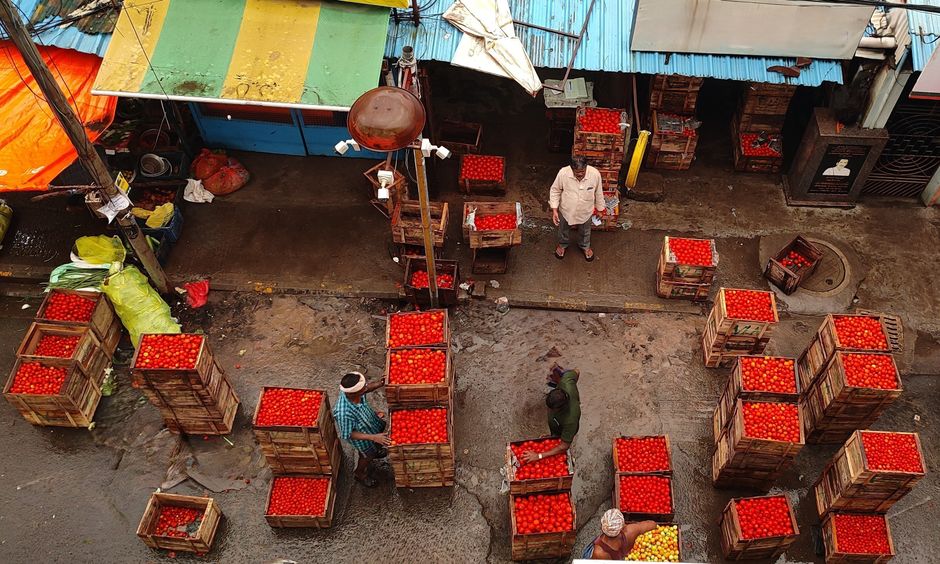
On a drizzly afternoon in July 2022, I found myself navigating the vibrant chaos of Chennai’s George Town market. The rhythmic sound of raindrops dancing on the pavement mingled with the calls of vendors hawking everything from fresh produce to colorful textiles. With my trusty Nikon D850 slung over my shoulder and a sense of determination driving me, I set out to document the heart and soul of Chennai’s monsoon markets. What followed was not just a photography session, but a deep dive into the sensory overload that defines these bustling locales.
The Magic of Monsoon Light
As I arrived at the market around 3 PM, I was thrilled to discover that the monsoon light had cast a magical glow over the scene. The grey skies acted as a natural diffuser, softening harsh shadows and allowing colors to pop beautifully. I took a moment to adjust my settings: ISO 400, aperture at f/2.8, and a shutter speed of 1/250s, which allowed me to capture the vibrancy without sacrificing detail.
One of the most memorable interactions during my shoot was with a flower vendor named Kavitha, who was selling marigolds and jasmine garlands. I started chatting with her, and she shared stories about how the monsoon season affects her business. I snapped a candid portrait of her, framed by the colorful flowers, and the joy on her face was palpable. In post-editing, I enhanced the contrast slightly to emphasize the flowers’ vividness against her warm smile, transforming a simple shot into a captivating portrait.
Exploring the Textiles
After spending an hour with Kavitha, I meandered toward the textile section of the market. The vibrant colors of sarees and fabric caught my eye immediately. I approached a stall run by a friendly couple, Raj and Priya, who were kind enough to let me photograph their array of textiles. I used a 50mm lens to capture the intricate details of the weaves and patterns.
During this part of the shoot, I realized that I was losing track of time. As the rain began to pour heavier, I hastily packed my gear and sought shelter under an awning. It was a classic mistake of not being aware of the weather—always check the forecast, especially during monsoon season. I had to be careful with my equipment and ended up with slightly damp gear, which I later dried off with a microfiber cloth.
Food Stalls: A Feast for the Senses
As the rain lightened, the air filled with mouthwatering aromas from the food stalls. I couldn’t resist the temptation and decided to take a break to indulge in some local delicacies. I ordered a plate of piping hot vada and a glass of fresh sugarcane juice. The vendor, an elderly gentleman named Murugan, was more than happy to let me photograph him at work.
Using my 24-70mm lens, I captured the vibrant colors of the food and the expressions of those enjoying their meals. The lighting was dimmer under the awning, so I increased my ISO to 800 and adjusted my aperture to f/4 to ensure a sharp focus on the dishes. One of the shots I loved most was a close-up of the vada just as it was being served, glistening with oil and garnished with green chutney.
Sharing Stories
Every interaction I had was a story waiting to be told. Murugan shared how business had changed over the years, especially with the influx of modern cafes. His passion for traditional food was evident, and I made sure to capture that in my shots. In the end, I had not only documented the food but also the love and dedication behind it. The final edit revealed the warmth of the scene, and I made sure to bring out the rich textures of the food.
What I Would Do Differently
Reflecting on my experience, there are a few things I would change if I could do it all over again. Firstly, I would invest in a weather-sealed camera bag to better protect my gear from unexpected rain. While I managed to keep my Nikon D850 safe, the added peace of mind would have allowed me to focus more on capturing moments rather than worrying about my equipment.
Secondly, I learned the importance of having a plan for the shoot. I often find myself wandering off in search of interesting subjects, which is great, but I also lost some valuable time. A little pre-planning would have helped me to prioritize certain areas of the market. I could have mapped out the stalls I wanted to visit based on my previous experiences in Chennai’s markets.
Lastly, I would engage more with the vendors before shooting. Building rapport can lead to more authentic shots and interesting stories to tell through the images. I noticed that the more comfortable I made people feel, the more genuine their expressions became.
Location Tips: Navigating Chennai’s Monsoon Markets
If you’re planning to explore Chennai’s monsoon markets, here are some insider tips to make the most of your experience:
George Town Market
Located near the heart of Chennai, George Town is one of the oldest markets in the city. It’s a treasure trove for photographers looking to capture the essence of local life. Best to visit during late afternoon when the light is soft and the vendors are bustling with activity. Parking can be a challenge, but there are several paid parking lots nearby. Always keep an eye on your belongings, as the market can get crowded.
Parry’s Corner
If you’re looking for textiles, Parry’s Corner is an absolute must-visit. The best time to go is early in the morning to avoid the heavy afternoon crowds. It’s also less chaotic, allowing you to interact more with the shopkeepers. The narrow lanes can be tricky, so be prepared for some tight squeezes. Don’t forget to ask for permission before taking close-up shots of any fabric or designs, as some vendors are protective of their work.
Final Thoughts
My six-hour adventure in Chennai’s monsoon markets was a whirlwind of colors, flavors, and stories. Each vendor I met added a layer of richness to my experience, and every click of the shutter captured a fleeting moment that I can cherish forever. For any photographer or traveler, the heart of Chennai truly beats in its markets, especially during the monsoon when life feels especially vibrant.
Embrace the chaos, connect with the people, and let the city’s spirit guide your lens. Your camera is not just a tool; it’s a bridge to the stories waiting to be told.
What camera settings do you recommend for low light conditions in markets?
For low light conditions, I recommend using a higher ISO setting (800 or above), a wider aperture (f/2.8 or lower), and a slower shutter speed (1/125s or slower). This will help you capture sharp images while allowing more light into the camera.
How do you approach photographing people in busy markets?
I usually start by engaging in conversation to build a rapport. This helps in capturing more authentic expressions. Always ask for permission before taking their photograph, and be respectful of their space.
What gear do you recommend for market photography?
A versatile zoom lens, like a 24-70mm, is excellent for market photography as it allows you to quickly adapt to different situations. A lightweight camera body is also beneficial for long shoots.
What’s the best time to visit Chennai’s markets during the monsoon?
Late afternoon is ideal for photography, as the light is softer and the atmosphere is lively with vendors and shoppers. Early mornings can also be rewarding for textile markets, offering a quieter experience.
As a professional photographer based in Chennai, I specialize in wedding, portrait, and travel photography. With over 8 years of experience capturing the rich tapestry of Tamil Nadu, I thrive on creating visual stories that resonate with the heart.

Explore more photography tips, stories & inspiration