By Raghav | |
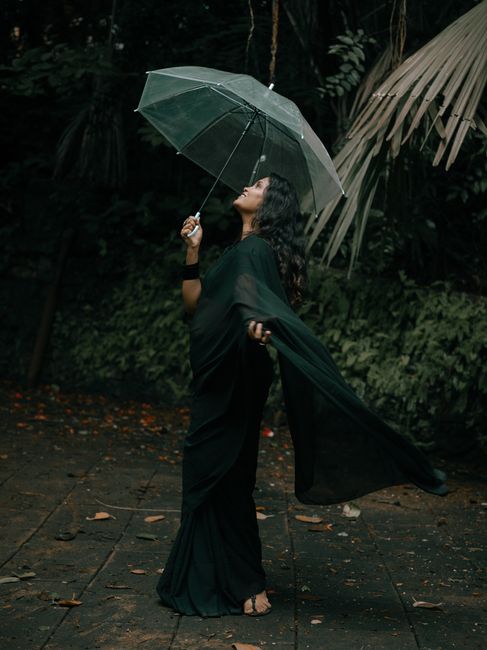
What I Learned from 10 Portraits in Chennai’s Monsoon June
On June 8, 2026, I found myself perched on the edge of a rickety wooden bench at Theosophical Society in Adyar, watching dark clouds roll in over the sprawling banyan trees. This was not just any day; it marked the start of the monsoon season in Chennai. As a professional photographer with over eight years of experience, I had a series of portrait sessions lined up and was determined to make the most of the unique atmospheric conditions. Little did I know, this would turn into a masterclass of its own.
Embracing the Elements
When it comes to outdoor portraits, the monsoon can be both a blessing and a curse. On one hand, the soft diffused light created by cloud cover is perfect for portraits. On the other hand, the unpredictability of rain can throw a wrench in your plans. My first session of the day was with a young couple, Priya and Arun, who had selected Theosophical Society because of its lush greenery and photogenic spots. As I set up my Nikon D850 with a 50mm f/1.8 lens, the first drops of rain began to fall.
The couple was nervous; they wanted bright, happy photos but were worried the rain would ruin their shoot. I reassured them, explaining how rain could add a unique character to their portraits. We quickly moved under a large banyan tree, where the leaves provided a natural umbrella. I adjusted my camera settings to ISO 400, f/2.8, and 1/250s, optimizing for the low light without sacrificing sharpness. The results? Stunning portraits that captured the couple embracing the elements—Arun twirling Priya, droplets glistening in the air like tiny diamonds.
Utilizing Unique Locations
Another memorable session took place on June 10 at the Kapaleeshwarar Temple in Mylapore. The vibrant colors and intricate architecture of this historic site provided a dynamic backdrop for portraits. I brought along my Canon EOS R5 with a 24-70mm f/2.8 lens, which allowed for versatility in framing and composition.
As I worked with my client, Meera, a Kathak dancer, I wanted to highlight her cultural roots. The temple’s colorful gopuram served as a stunning background for her dance poses. I used a shutter speed of 1/500s, aperture of f/4, and ISO 200 to freeze her movements while capturing the intricate details of her attire. The result was a series of portraits that felt alive, merging her art and the architectural beauty of the temple.
However, a lesson emerged that day. In my enthusiasm, I neglected to scout the location ahead of time, which led to some logistical challenges. The temple was crowded with visitors, making it difficult to find spots where the background was free of people. It highlighted the importance of pre-visit reconnaissance, especially in busy locations.
The Magic of Post-Rain Light
On June 11, I had a session scheduled with a group of friends at the beach in Besant Nagar. The skies had been overcast all morning, but just as we arrived, the rain poured down, forcing us to take shelter in a nearby café. We waited patiently, joking and sharing stories, until the rain eased into a light drizzle.
Once the rain stopped, the world transformed. The air became fresher, and the light had that magical quality only seen right after a rainstorm. I grabbed my Sony A7 III with a 35mm f/1.4 lens and dashed to the beach. The wet sand acted as a natural reflector, bouncing light back up into the faces of my clients, and the low-hanging clouds added a dramatic sky.
I set my camera to ISO 100, f/2.0, and 1/1000s to capture the vibrant colors as the sun began to peek through the clouds. The portraits captured the joy of a spontaneous beach outing, with the friends laughing and splashing water at each other. The before-and-after editing was striking; the unedited images had a moody, flat quality, but with a few tweaks in Lightroom—boosting contrast and saturation—the final images were vibrant and full of life.
Mistakes I Made
No shoot is without its blunders, and these sessions were no exception. One of the biggest mistakes I made was underestimating the humidity. On June 9, I was in T Nagar with a client for an urban portrait session. I had prepped my gear for the rain but neglected to consider the impact of humidity on my equipment. Mid-shoot, I noticed my lens started fogging up, which resulted in blurry images.
From this experience, I learned to always carry a lens cloth and to take breaks to let my gear acclimatize to the conditions. I also invested in a weather-sealed camera bag to protect my equipment during unpredictable downpours. After all, your gear is your lifeline, and keeping it in top condition is essential for your work.
Location Tips for Monsoon Portraits
Here are a few insider tips for shooting portraits in Chennai during the monsoon:
Theosophical Society
This location is fantastic due to its sprawling gardens and iconic banyan trees. Parking can be tricky, so aim to arrive early to secure a good spot. The best time for photographs is just after the rain, when the light is soft and the colors pop. Make sure to get permission for photography if you’re planning to set up any equipment.
Kotturpuram’s Little Mount
This hidden gem is perfect for portraits. The hill offers stunning views and a serene atmosphere, especially after a rain shower. Aim for afternoon sessions when the light is warm and flattering. Parking is available nearby, but it can fill up quickly, so plan accordingly.
Besant Nagar Beach
The beach is best visited in the early morning or late afternoon to avoid the crowds and capture that golden light. After a rain, the clouds can create dramatic skies that serve as a perfect backdrop. Be mindful of tides, as they can change rapidly and catch you off guard.
Conclusion
This June was a unique experience for me as a photographer. Each portrait session taught me invaluable lessons about adaptation, creativity, and the joy of embracing the unexpected. The monsoon, with all its challenges, offered a rich tapestry of moments that I’ll carry with me into future shoots.
Whether you’re a budding photographer or a seasoned pro, don’t shy away from the rain. Instead, find ways to utilize it to your advantage. Those moments of uncertainty often lead to the most memorable images.
What should I wear for an outdoor portrait shoot in Chennai during the monsoon?
Opt for lightweight, breathable fabrics that dry quickly. Avoid dark colors that absorb heat and consider bringing a light jacket. Waterproof footwear is also a good idea, especially if you’re shooting in wet areas.
How can I protect my camera gear during a monsoon shoot?
Invest in a weather-sealed bag and use rain covers for your equipment. A simple plastic bag can also work in a pinch. Always keep a microfiber cloth handy to wipe off any moisture that may accumulate.
What are the best times to shoot portraits during the monsoon in Chennai?
The hour after sunrise and just before sunset are ideal for soft, flattering light. Shooting right after a rain shower can also provide dramatic skies and enhanced colors, making for captivating portraits.
Do I need permission to take photos in public places in Chennai?
Yes, in many locations, especially historical sites like temples, it’s essential to obtain permission for photography. Always check in advance to avoid any surprises during your shoot.
With over eight years of experience as a professional photographer based in Chennai, I specialize in wedding, portrait, and travel photography. Each shoot is a new adventure, and I’m always eager to capture the beauty around me.
Explore more photography tips, stories & inspiration